

Looking to sell an investment property but want to avoid the hefty capital gains tax bill? A 1031 exchange might be the perfect solution for your real estate investment strategy. This powerful tax-deferral tool allows real estate investors to sell one property and purchase another while postponing capital gains taxes—potentially saving thousands of dollars that can be reinvested into your next property.
Whether you’re a seasoned real estate investor or just exploring your options, understanding the ins and outs of a 1031 exchange can significantly impact your investment returns. Let’s dive into how this valuable tax strategy works and how you can use it to build wealth through real estate.
Key Takeaways
- A 1031 (or like-kind) exchange lets you avoid paying capital gains tax when you sell an investment property if you reinvest the money into a similar investment property within specific timeframes.
- You have 45 days to identify potential replacement properties and 180 days to complete the purchase after selling your old property—these deadlines are strict and non-negotiable.
- There are four types of 1031 exchanges: simultaneous, delayed, reverse, and build-to-suit, each with specific requirements and benefits.
- You must use a qualified intermediary to hold and control the money during the exchange—handling the funds yourself will disqualify you from tax deferment.
- Only investment or business properties qualify for 1031 exchanges—primary residences are generally not eligible.
What Is a 1031 Exchange?
A 1031 exchange, named after Section 1031 of the Internal Revenue Code, allows real estate investors to defer capital gains taxes when they sell an investment property and reinvest the proceeds into another “like-kind” property. This tax code provision essentially lets you swap one investment property for another without immediately recognizing a taxable gain or loss.
It’s important to understand that a 1031 exchange is tax-deferred, not tax-free. The tax liability isn’t eliminated—it’s postponed until you eventually sell a property without doing another exchange. However, with proper estate planning, these deferred taxes might potentially be eliminated through the step-up in basis your heirs would receive.
The term “like-kind” is broader than many investors realize. For real estate, it simply means that both properties must be held for investment or business purposes. You can exchange an apartment building for raw land, a retail center for an office building, or even multiple rental homes for a single larger property.
How Does a 1031 Exchange Work?
Let’s break down the 1031 exchange process with a practical example:
Imagine you purchased a rental property five years ago for $200,000. Today, that property is worth $500,000, giving you a potential profit of $300,000. If you were to sell this property traditionally, you might owe up to $60,000 or more in capital gains taxes (assuming a 20% long-term capital gains rate).
However, with a 1031 exchange, you could sell that property and use the full $500,000 to purchase a new investment property without paying those taxes now. This gives you an additional $60,000 to invest in your next property, allowing your real estate portfolio to grow more quickly.
The Basic Steps of a 1031 Exchange
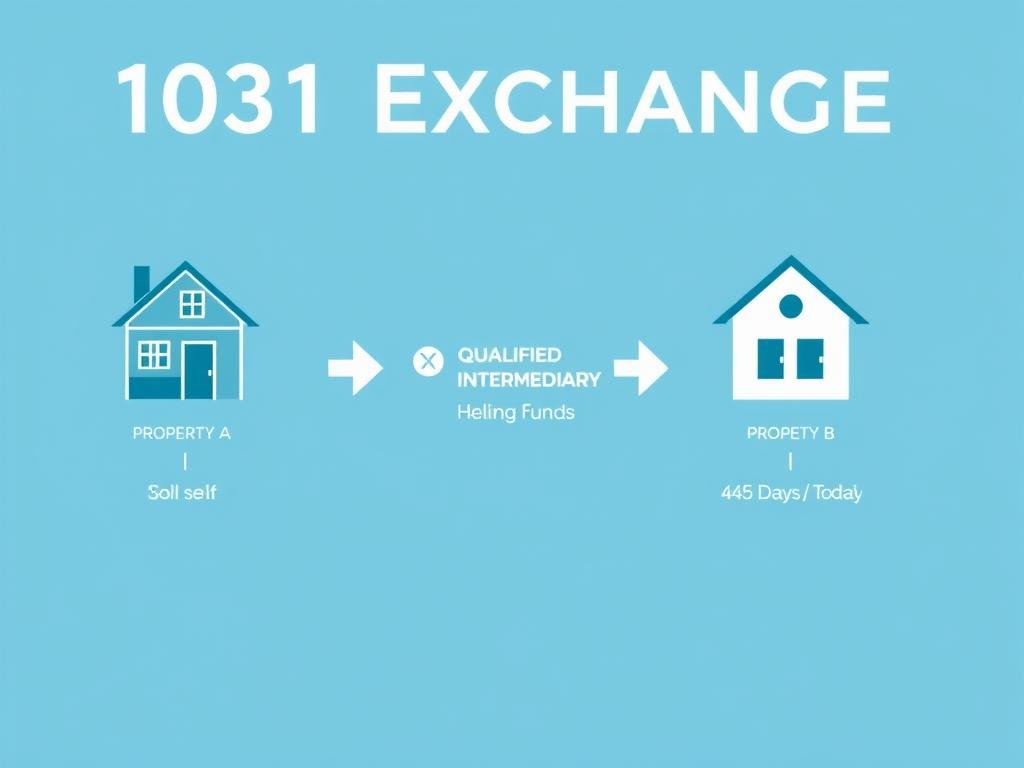
- Choose a qualified intermediary to handle the exchange process and hold the funds from your property sale.
- Sell your current investment property, with proceeds going directly to the qualified intermediary (not to you).
- Identify potential replacement properties within 45 days of selling your original property.
- Purchase one or more of the identified replacement properties within 180 days of the sale.
- File IRS Form 8824 with your tax return to report the exchange.
Important: If you receive any cash from the exchange (known as “boot”), that portion will be taxable. To fully defer taxes, the replacement property must be of equal or greater value than the property you sold, and all proceeds must be reinvested.
Need Help Navigating a 1031 Exchange?
Don’t risk making costly mistakes with strict IRS deadlines and requirements. Connect with a RamseyTrusted® real estate professional who specializes in investment properties and 1031 exchanges.
Types of 1031 Exchanges
There are four main types of 1031 exchanges, each designed to accommodate different investment situations:
Delayed Exchange
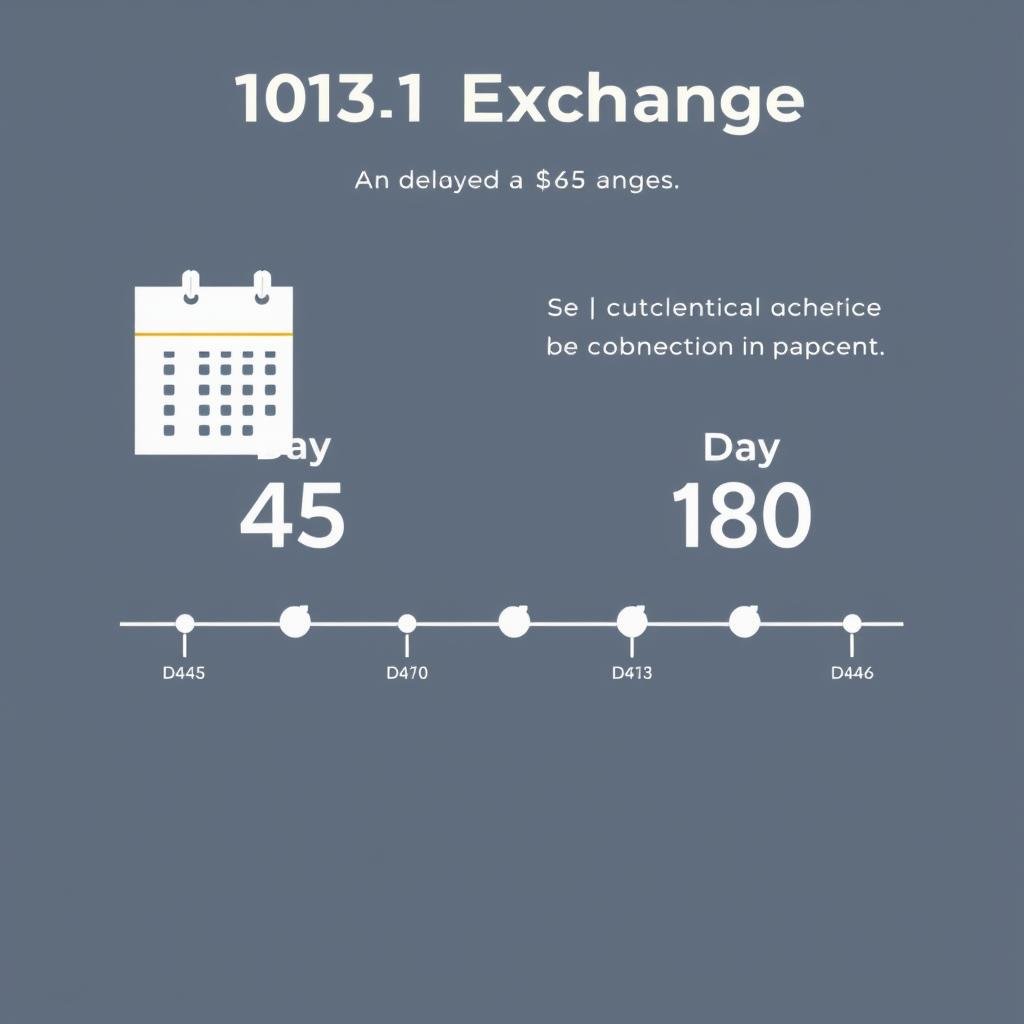
The most common type of exchange, allowing you 45 days to identify replacement properties and 180 days to complete the purchase after selling your original property. This gives investors time to find the ideal replacement property.
Simultaneous Exchange
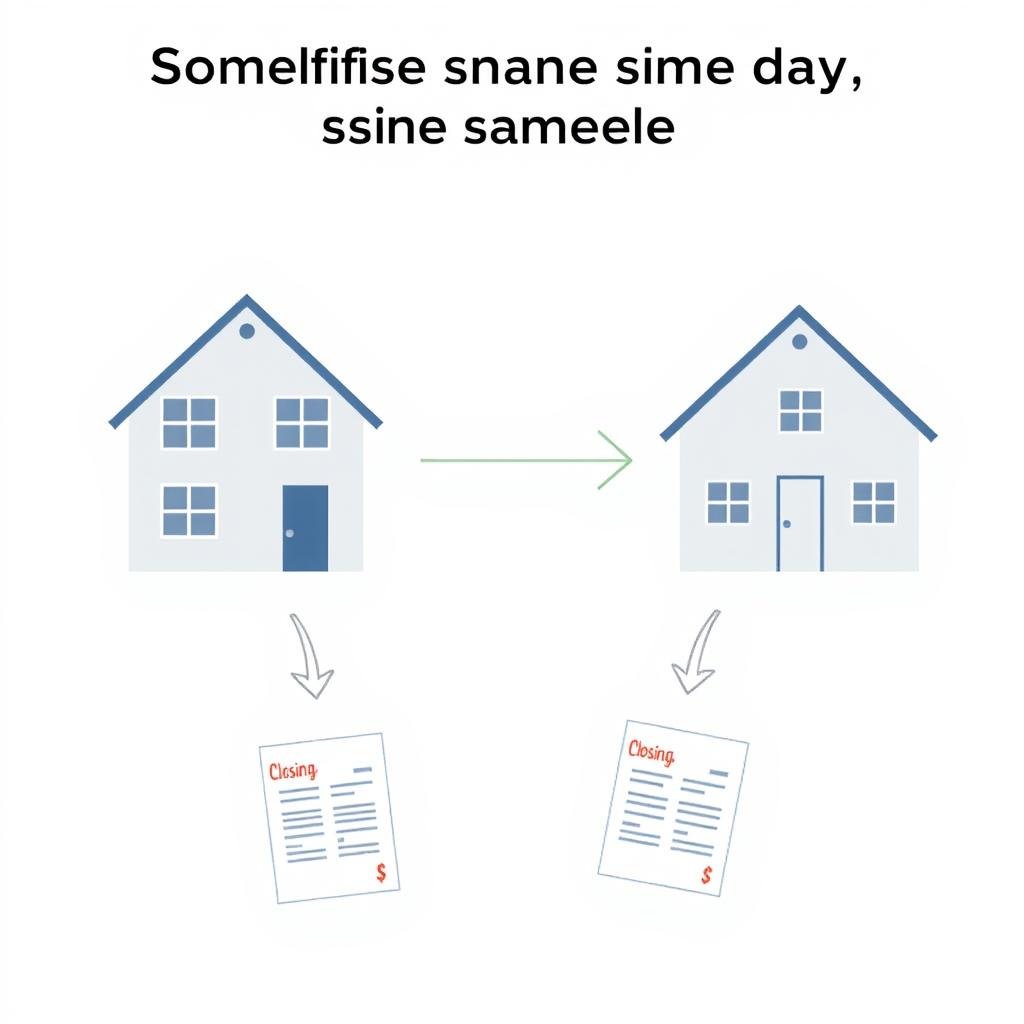
Both the sale of your relinquished property and the purchase of your replacement property close on the same day. While convenient when possible, the logistics can be challenging to coordinate perfectly.
Reverse Exchange
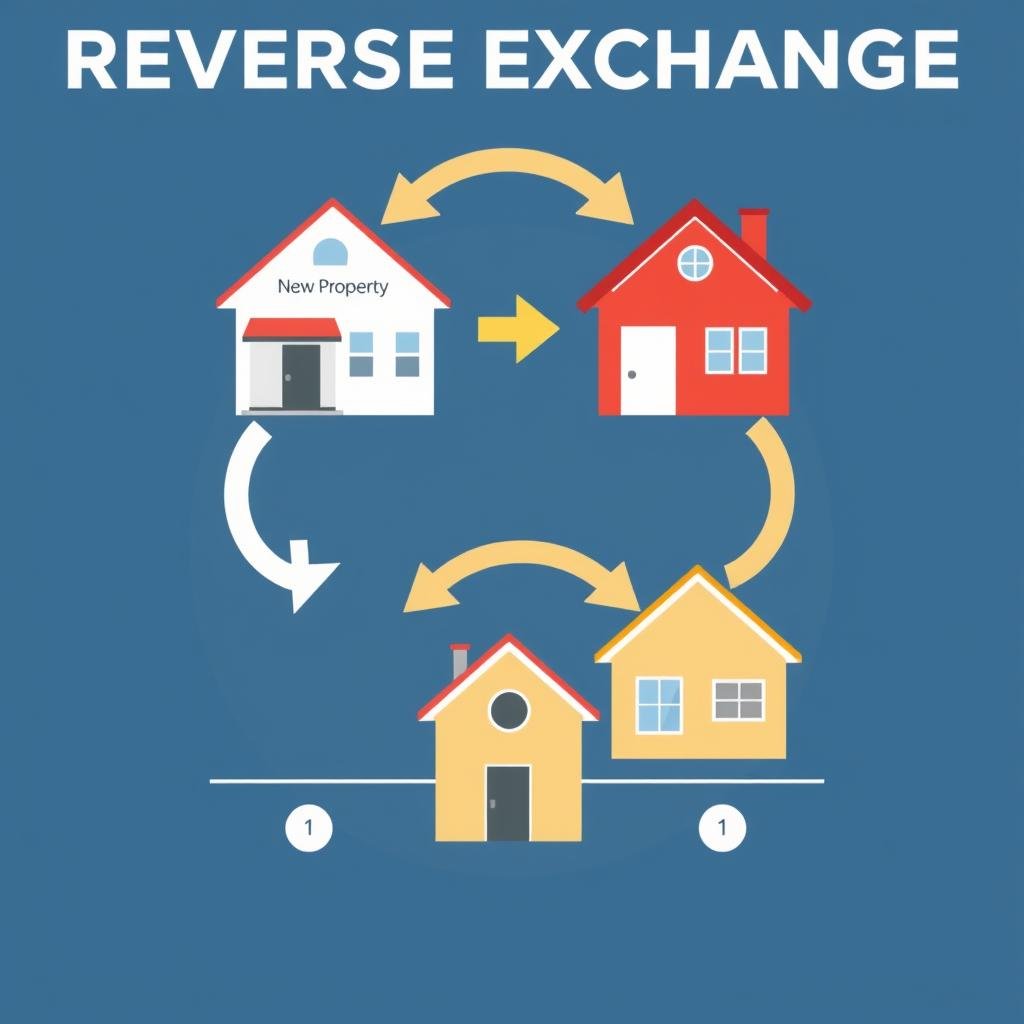
You purchase the replacement property before selling your current property. This option is useful in competitive markets when you find an ideal property but haven’t sold your current one yet. An exchange accommodation titleholder temporarily holds the new property.
Build-to-Suit Exchange
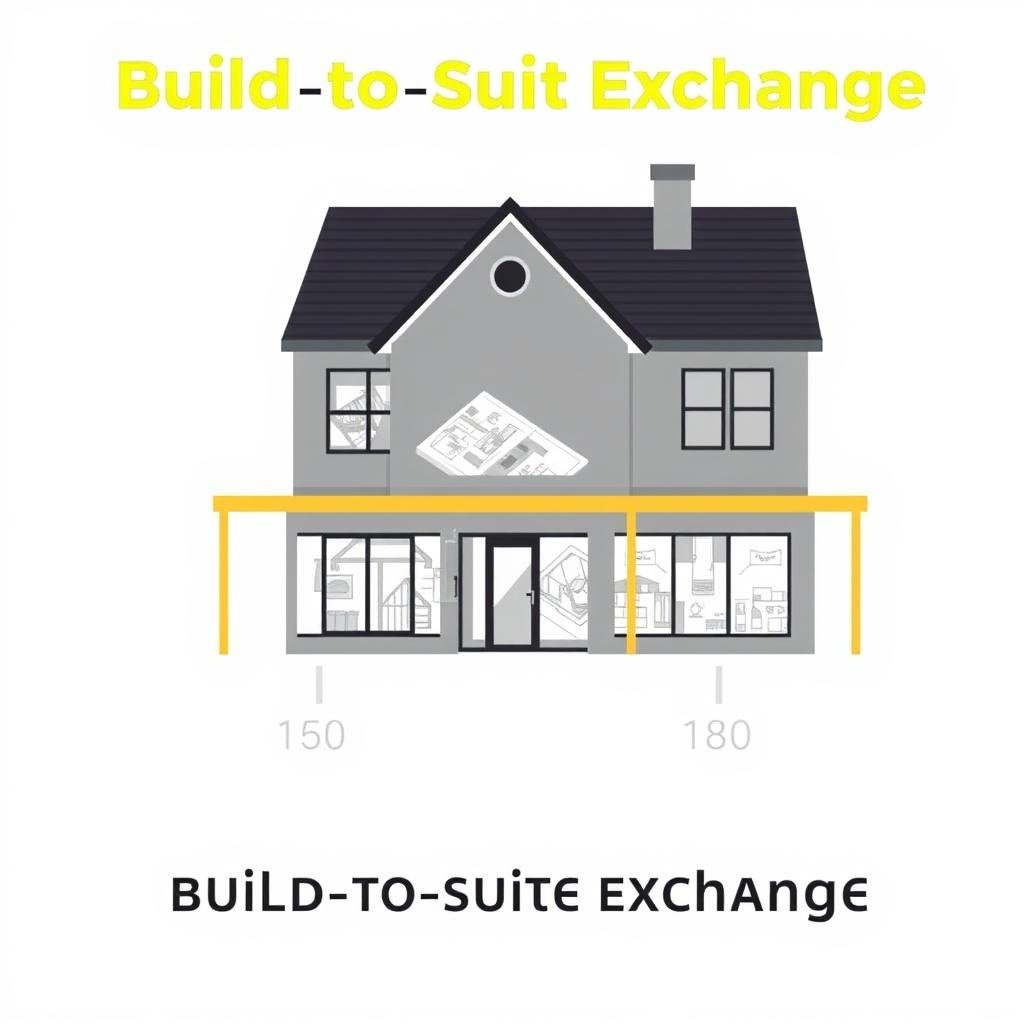
Also called a construction or improvement exchange, this allows you to use exchange funds to build or improve a replacement property. The improvements must be completed within the 180-day exchange period.
Key Rules and Requirements
Property Eligibility
Not all properties qualify for a 1031 exchange. Here are the key requirements:
- Investment or business use only: Both the relinquished and replacement properties must be held for investment or business purposes. Primary residences don’t qualify.
- Like-kind requirement: Properties must be “like-kind,” which for real estate is broadly defined. Most real estate will qualify as like-kind to other real estate.
- U.S. properties only: Both properties must be located within the United States.
- Equal or greater value: The replacement property should be of equal or greater value than the relinquished property to fully defer taxes.
Critical Timelines
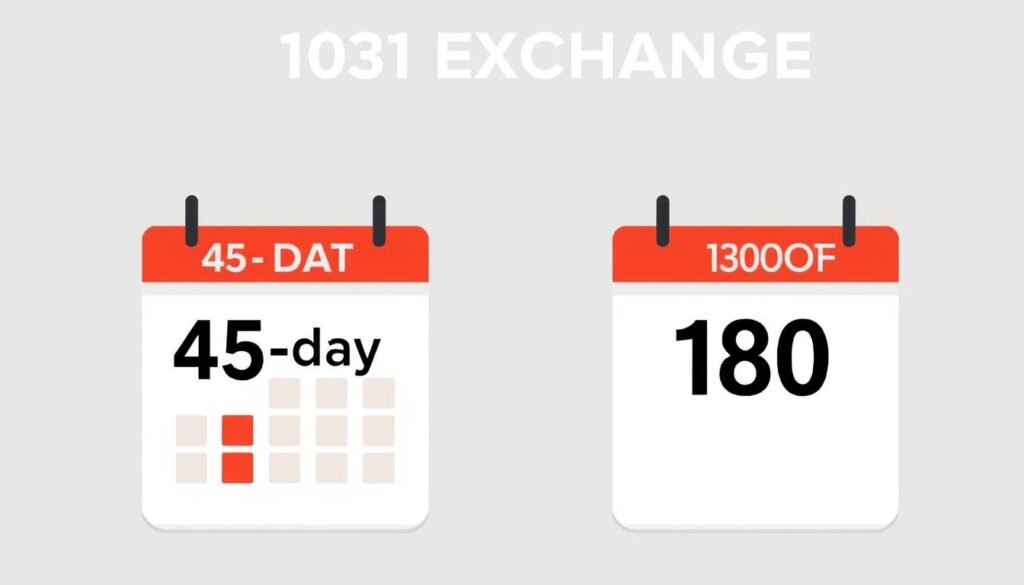
45-Day Identification Window: Within 45 calendar days of selling your property, you must identify potential replacement properties in writing. You can identify:
- Up to three properties regardless of their total value (Three-Property Rule), or
- Any number of properties as long as their total value doesn’t exceed 200% of the sold property’s value (200% Rule)
180-Day Purchase Window: You must complete the purchase of one or more of the identified replacement properties within 180 calendar days of selling your original property. This timeline runs concurrently with the 45-day identification period.
The Role of a Qualified Intermediary
A qualified intermediary (QI) is essential to a successful 1031 exchange. This third party holds the proceeds from your property sale and uses them to purchase the replacement property on your behalf.

Who Can Serve as a Qualified Intermediary?
Not everyone can act as your qualified intermediary. The IRS prohibits certain “disqualified persons” from serving in this role, including:
- You (the taxpayer)
- Your family members
- Your employees, attorney, accountant, real estate agent, or investment broker who has worked with you in the past two years
- Anyone who is your agent in any capacity
Finding a Qualified Intermediary
When selecting a qualified intermediary, look for:
- Experience with 1031 exchanges
- Professional credentials
- Proper insurance and bonding
- Secure procedures for handling funds
- Clear fee structure
The Federation of Exchange Accommodators (FEA) maintains a directory of qualified intermediaries who adhere to their ethical standards and best practices.
Tax Implications and Considerations
Partial Exchanges and Boot
If you don’t reinvest all proceeds or acquire a less valuable replacement property, you’ll receive “boot” (cash or other non-like-kind property), which is taxable. Boot can come in several forms:
- Cash boot: Any cash you receive from the exchange
- Mortgage boot: When the mortgage on your replacement property is less than on your relinquished property
- Personal property: Any non-real estate items included in the transaction

Reporting Your Exchange to the IRS
You must report your 1031 exchange to the IRS by filing Form 8824: Like-Kind Exchanges with your tax return for the year in which the exchange occurred. This form requires information about:
- Description of properties exchanged
- Dates of identification and transfer
- Fair market values
- Adjusted basis of properties
- Boot received or given
- Realized and recognized gain
Common Mistakes to Avoid
Potential Pitfalls
- Missing deadlines: Failing to identify properties within 45 days or close within 180 days
- Touching the money: Receiving proceeds directly instead of using a qualified intermediary
- Improper identification: Not following the identification rules precisely
- Using a disqualified intermediary: Choosing someone who doesn’t meet IRS requirements
- Exchanging ineligible property: Trying to exchange your primary residence or vacation home
“The biggest mistake investors make with 1031 exchanges is underestimating the strict timelines. Once you sell your property, the clock starts ticking immediately—and the IRS offers no extensions for missed deadlines.”
Frequently Asked Questions
Can I do a 1031 exchange on my primary residence?
No, 1031 exchanges are specifically for investment or business properties. Your primary residence doesn’t qualify. However, if you’ve converted your primary residence into a rental property and have rented it out for a sufficient period (typically at least a year), it may then qualify as an investment property eligible for a 1031 exchange.
What happens if I miss the 45-day or 180-day deadline?
Missing either deadline disqualifies your transaction from 1031 exchange treatment. The IRS is extremely strict about these timelines and rarely grants extensions. If you miss a deadline, your transaction becomes a regular sale, and you’ll owe capital gains taxes.
Can I buy a replacement property before selling my current investment property?
Yes, through a reverse 1031 exchange. However, this is more complex and typically more expensive than a standard delayed exchange. You’ll need an exchange accommodation titleholder to temporarily hold title to the new property until you sell your current property.
How many properties can I identify as potential replacements?
You can identify up to three potential replacement properties regardless of their value (Three-Property Rule). Alternatively, you can identify more than three properties as long as their combined value doesn’t exceed 200% of the value of the property you sold (200% Rule).
Work With Professionals You Can Trust
As you can see, there are many strict rules and deadlines to follow for a successful 1031 exchange. One misstep could cost you thousands in unexpected taxes. Don’t navigate this complex process alone.
Our program connects you with qualified tax professionals and top real estate agents who specialize in investment properties and 1031 exchanges. Get the expert guidance you need to maximize your tax benefits and grow your real estate portfolio.
The Bottom Line on 1031 Exchanges
A 1031 exchange is a powerful wealth-building tool for real estate investors, allowing you to defer capital gains taxes and reinvest more of your profits into new properties. While the rules are strict and the timelines unforgiving, the potential tax savings make it worth considering as part of your investment strategy.
Remember that a 1031 exchange is tax-deferred, not tax-free. However, with proper planning, you can potentially continue to defer these taxes indefinitely, using the full value of your investments to build wealth through real estate.
As with any significant financial decision, consult with qualified tax and real estate professionals before proceeding with a 1031 exchange to ensure you’re making the best choice for your specific situation.