

A 1031 Exchange is a powerful tax-deferral strategy that allows real estate investors to sell an investment property and reinvest the proceeds into another “like-kind” property—all while deferring capital gains taxes. Named after Section 1031 of the Internal Revenue Code, this strategy can help you keep more of your investment capital working for you instead of paying a significant portion to the IRS upfront.
Sell your property, reinvest the proceeds — no capital gains tax upfront.
Let our qualified intermediary team handle your exchange with expertise and security.
What is a 1031 Exchange
A 1031 Exchange is a tax-deferral strategy that allows you to sell an investment or business property and reinvest the full proceeds into another like-kind property — without paying capital gains taxes right away.
This exchange is named after Section 1031 of the U.S. Internal Revenue Code, and it’s commonly used by investors to grow their real estate portfolios faster and more efficiently.
The key benefit is simple: keep your money working for you instead of paying taxes upfront. This allows your investment capital to compound over time, potentially leading to significantly greater wealth accumulation.
How a 1031 Exchange Works
A 1031 Exchange allows you to sell one investment property and reinvest the proceeds into another like-kind property, deferring capital gains taxes. The process must follow strict IRS guidelines to qualify for tax deferral.
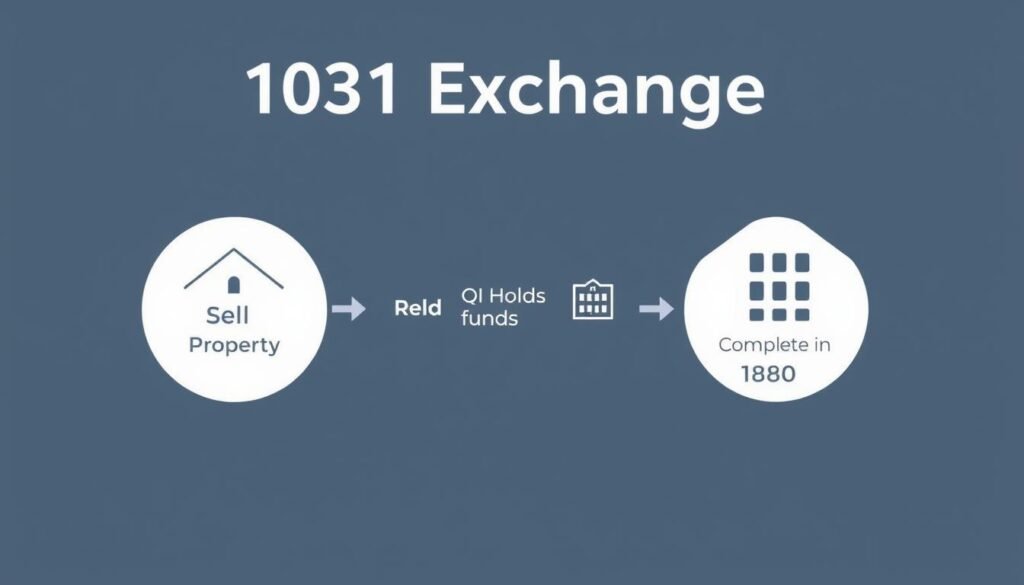
Here’s the process in simple steps:
- Sell your property – You sell your current investment or business property. The proceeds must go directly to a Qualified Intermediary, not to you.
- Qualified Intermediary holds the funds – A trusted third party (Qualified Intermediary) temporarily holds the sale proceeds in a secure account. This is crucial—you never directly touch the money, or the exchange will be disqualified.
- Identify replacement property within 45 days – You have exactly 45 calendar days from the sale to identify one or more potential replacement properties in writing to your Qualified Intermediary. The IRS allows you to identify:
- Up to three properties regardless of value (Three-Property Rule), or
- Any number of properties as long as their combined value doesn’t exceed 200% of the sold property’s value (200% Rule)
- Complete purchase within 180 days – You must close on the replacement property within 180 days of the original sale date. This timeline runs concurrently with the 45-day identification period, not consecutively.
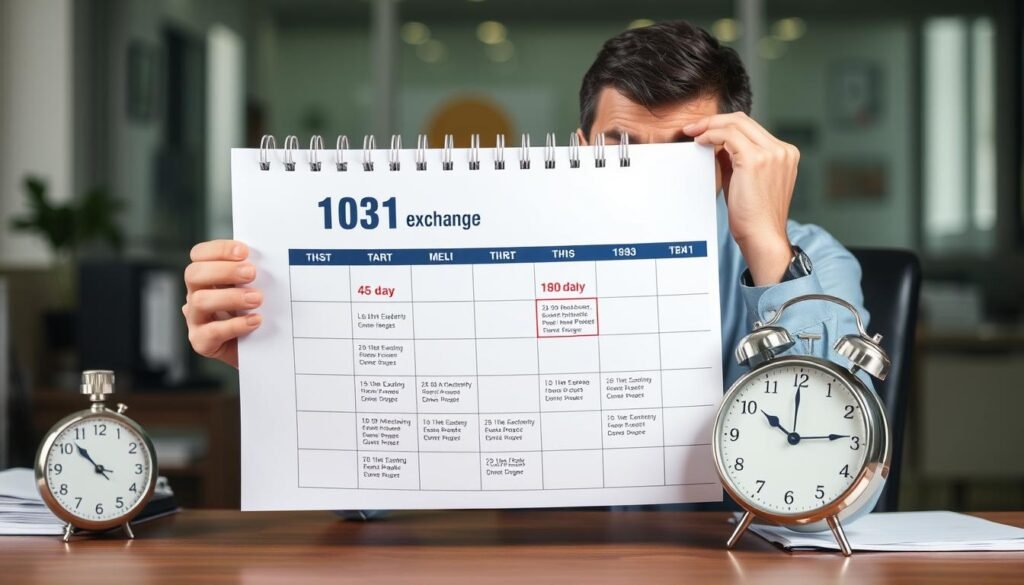
Important: Both the 45-day and 180-day deadlines are calendar days, not business days. There are no extensions, even for weekends or holidays.
Why Use a 1031 Exchange?
A 1031 Exchange helps real estate investors defer paying capital gains taxes, allowing them to keep more money working in their investments. By reinvesting proceeds from one property into another, you can grow your portfolio faster and more efficiently without losing capital to immediate tax payments.

Key Benefits of a 1031 Exchange
- Tax Deferral – Delay paying federal capital gains taxes (up to 20%) and depreciation recapture taxes (up to 25%), so your money stays invested longer.
- Full Reinvestment – Use all sale proceeds to buy new property without tax deductions, maximizing your purchasing power.
- Investment Flexibility – Easily upgrade, consolidate, or diversify your real estate holdings while preserving your equity.
- Wealth Building – Compound your investment returns over time by deferring taxes through multiple exchanges.
- Estate Planning – Pass properties to heirs with a stepped-up basis, potentially eliminating deferred taxes altogether.
A tax-deferred Section 1031 Exchange is one of the most powerful tax-saving strategies available for businesses and investors.
Ready to maximize your real estate investment potential?
Our expert team ensures your 1031 Exchange complies with all IRS regulations while maximizing your tax benefits.
Property Requirements for 1031 Exchanges
Eligible Properties
For a property to qualify for a 1031 exchange, it must meet specific IRS requirements:
- Like-Kind Requirement – Both properties must be “like-kind,” which for real estate is broadly defined. Almost any real property held for investment or business can be exchanged for any other real property held for investment or business.
- Investment Intent – Both the relinquished and replacement properties must be held for investment or business purposes, not for personal use or resale.
- U.S. Location – Both properties must be located within the United States to qualify.
Ineligible Properties
- Primary Residences – Your personal home does not qualify for a 1031 exchange.
- Vacation Homes – Properties used primarily for personal enjoyment rather than rental income.
- Fix-and-Flip Properties – Properties held primarily for resale rather than investment.
- Foreign Properties – Real estate outside the United States.
- Personal Property – Since the Tax Cuts and Jobs Act of 2017, personal property no longer qualifies for 1031 exchanges.
Note: It is possible to convert a primary residence or vacation home into an investment property by renting it out for a significant period (typically at least two years) before attempting a 1031 exchange.
The Critical Role of a Qualified Intermediary

A Qualified Intermediary (QI) is not just recommended—it’s required by the IRS for a valid 1031 exchange. The QI serves as the independent third party who:
- Holds the proceeds from your property sale
- Prepares the necessary exchange documents
- Ensures compliance with IRS regulations
- Transfers funds to purchase the replacement property
- Maintains proper records for tax reporting
Warning: You cannot receive the proceeds from your property sale, even temporarily, or your exchange will be disqualified. The funds must go directly from the buyer to your Qualified Intermediary.
Choosing the Right Qualified Intermediary
When selecting a QI, consider these important factors:
Experience & Expertise
Look for a QI with extensive experience specifically in 1031 exchanges and a deep understanding of IRS regulations.
Financial Security
Ensure your QI has proper security measures, including segregated accounts, fidelity bonds, and errors and omissions insurance.
Reputation & References
Check reviews, ask for references, and verify membership in professional organizations like the Federation of Exchange Accommodators.
Common 1031 Exchange Pitfalls to Avoid
Best Practices
- Start planning your exchange well before selling your property
- Work with experienced real estate and tax professionals
- Research replacement properties before selling your current property
- Choose a reputable Qualified Intermediary with financial safeguards
- Document everything and keep meticulous records
Common Mistakes
- Missing the 45-day identification or 180-day closing deadlines
- Receiving exchange funds directly (even temporarily)
- Identifying replacement properties that aren’t realistic to acquire
- Failing to properly document the exchange intent
- Not accounting for mortgage boot or cash boot in the exchange
The two time periods run concurrently, which means that you start counting when the sale of your property closes. For example, if you designate a replacement property exactly 45 days later, you’ll have just 135 days left to close on it.
Tax Implications of 1031 Exchanges
While a 1031 exchange allows you to defer taxes, it’s important to understand the complete tax picture:
What Taxes Are Deferred?
- Federal Capital Gains Tax – Up to 20% depending on your income bracket
- Depreciation Recapture Tax – Capped at 25% of the accumulated depreciation
- Net Investment Income Tax – An additional 3.8% for high-income earners
- State Income Taxes – Varies by state (some states don’t recognize 1031 exchanges)
Understanding “Boot” in 1031 Exchanges
“Boot” refers to any non-like-kind property received in an exchange, which is taxable. This can occur in two main ways:
Cash Boot
If you don’t reinvest all proceeds from your sale into the replacement property, any cash you receive is considered boot and is taxable.
Mortgage Boot
If the mortgage on your replacement property is less than the mortgage on your relinquished property, the difference is considered mortgage relief and is taxable as boot.
Tax Reporting: You must report your 1031 exchange to the IRS by filing Form 8824 with your tax return for the year in which the exchange occurred.
Special 1031 Exchange Scenarios

Reverse Exchanges
A reverse exchange occurs when you purchase the replacement property before selling your current property. These are more complex and typically require an Exchange Accommodation Titleholder to hold the new property until you sell your existing one.

Multiple Property Exchanges
You can exchange one property for multiple replacement properties or consolidate multiple properties into one larger property, as long as you follow the identification rules and meet all deadlines.

DST Investments
Delaware Statutory Trusts (DSTs) allow investors to own a fractional interest in large, institutional-quality properties, providing a hands-off investment option that still qualifies for 1031 exchange treatment.
What You Need to Know
1031 Exchanges offer big advantages — but they also come with strict rules. Our qualified intermediary team ensures your exchange complies with all IRS requirements.
- Deadlines Matter – You must identify a new property within 45 days and close within 180 days. No extensions.
- You Need a Qualified Intermediary – You can’t receive the sale proceeds yourself — they must go through a third-party intermediary.
- Not for Personal Use – Primary residences and properties held for quick resale don’t qualify.
Is a 1031 Exchange Right for You?
A 1031 exchange can be a powerful wealth-building tool for real estate investors, but it’s not right for every situation. Consider these factors when deciding:
- Long-term Investment Goals – 1031 exchanges work best for investors planning to hold properties for the long term.
- Tax Situation – Consult with a tax professional to understand how a 1031 exchange fits into your overall tax strategy.
- Market Timing – Consider current market conditions and whether it’s a good time to sell and buy.
- Property Management – Evaluate whether you want to continue managing investment properties or prefer to cash out.

Savvy real estate investors can use a 1031 exchange as a tax-deferred strategy to build wealth. However, the many complex moving parts require understanding the rules and enlisting professional help—even for seasoned investors.
Remember that while a 1031 exchange defers taxes, it doesn’t eliminate them. If you eventually sell a property without doing another exchange, the deferred taxes will come due. However, if you continue to exchange properties throughout your lifetime, your heirs may receive a stepped-up basis upon inheritance, potentially eliminating the deferred tax liability altogether.
Ready to start your 1031 Exchange?
Our experienced team will guide you through every step of the process, ensuring IRS compliance and maximizing your investment potential.